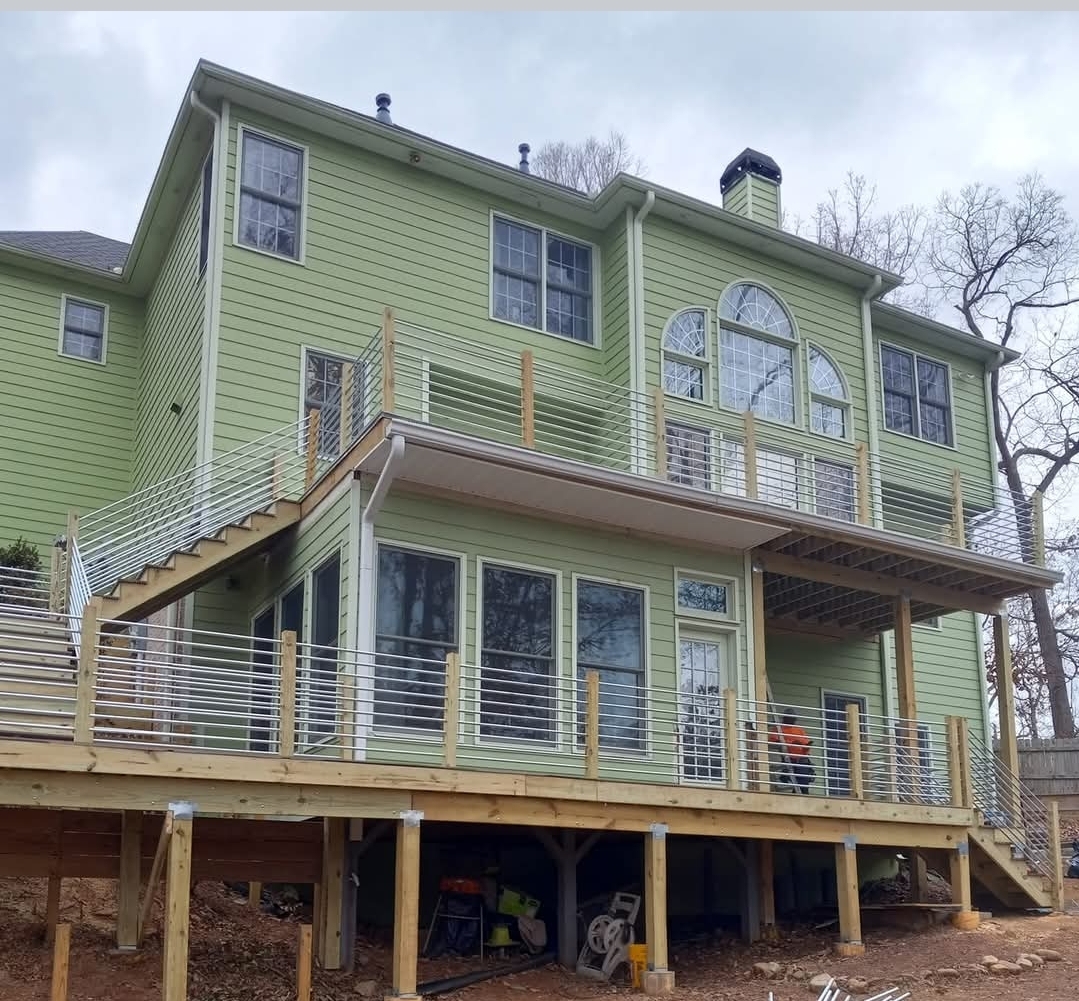
Innovative Building Trends: What's Shaping the Future of Construction? May 14, 2026
One of the most groundbreaking advancements transforming the construction landscape is the integration of smart technology. Smart buildings equipped with Internet of Things (IoT) devices offer unrivaled levels of automation and energy efficiency. From intelligent lighting systems to advanced security monitoring, these technologies enhance the comfort and safety of occupants while reducing operational costs. As more home and business owners seek connected solutions, construction companies are tasked with integrating these technologies seamlessly into new builds and remodels.
Sustainability is another critical focus in the future of construction. With growing awareness around climate change and resource scarcity, sustainable building practices are no longer optional; they are essential. The use of eco-friendly materials such as bamboo, reclaimed wood, and recycled metal helps in reducing the carbon footprint. Additionally, green building certifications like LEED encourage the construction of energy-efficient structures. Implementing renewable energy sources such as solar panels is also becoming a norm, helping reduce dependency on fossil fuels while lowering energy bills for homeowners.
Prefabrication and modular construction are gaining traction for their ability to streamline the building process. By producing building components in a controlled factory environment, these methods minimize waste and reduce construction timelines. This not only cuts costs but also increases project predictability and safety standards. As urbanization continues to surge, especially in densely populated areas, modular construction presents an effective way to meet housing demands quickly and efficiently.
Another trend that is reshaping the construction industry is the advancement in construction materials. Innovations like self-healing concrete and graphene-enhanced materials are paving the way for more durable and resilient structures. Self-healing concrete, for example, uses bacteria to fill cracks, reducing maintenance needs and extending the lifespan of buildings. These cutting-edge materials promise to enhance building performance while also addressing long-term sustainability goals.
The implementation of Building Information Modeling (BIM) technology is revolutionizing project planning and execution. BIM allows for the creation of a detailed digital representation of a building, which can be used to visualize the project from start to finish before ground even breaks. It enhances collaboration among stakeholders by providing a single source of truth, thereby reducing errors and improving efficiency.
In conclusion, the construction industry is witnessing an exciting era of innovation, driven by technological advancements and the pressing need for sustainable practices. Companies like All Out Construction are at the forefront of these changes, embracing new techniques and materials to deliver superior quality and value to their customers. By staying informed and adaptable, the industry can continue to build structures that are not only functional and aesthetically pleasing but also aligned with the needs of an eco-conscious society. As we look to the future, it's clear that these innovative trends will play a pivotal role in shaping the buildings of tomorrow.
/filters:no_upscale()/filters:format(webp)/media/4cb4f136-525a-484c-bd93-d4cc9b3dcd6b.jpeg)